

Hey there,
Coach Jenn here.
I wanted to share a bit of context behind this week’s blog post, because it matters to us how this information lands for you.
This week, Tenille, Maria, and I sat down to talk about where we want Element Sports Coaching to go and how we want to show up for our athletes. One thing was very clear in that conversation: you are not an audience to us. You are real people with real lives, training around work, family, stress, fatigue, and everything else life throws your way.
What we value most at Element is integrity. That means providing solid, evidence-based information and doing it in a way that actually respects the reality of your life.
There is no shortage of research, hype and influencers chiming in on endurance sport and nutrition. We know that. We also know we don’t need to simply summarize studies and repost what’s already been said a hundred times. If that’s all you needed, we could just send you links and call it a day.
What you actually need is help applying the information.
That’s what led to this week’s post.
Originally, I wrote a very solid article about protein and carbohydrates using the MNTR framework and current research. It checked all the boxes. And honestly? While important, it was boring.
Eat more protein.
Carbs are good.
We’ve all heard it before.
Knowing something and doing something are two very different things. In Precision Nutrition coaching, we call this closing the gap between say and do.
It’s easy to say you’ll eat more protein.
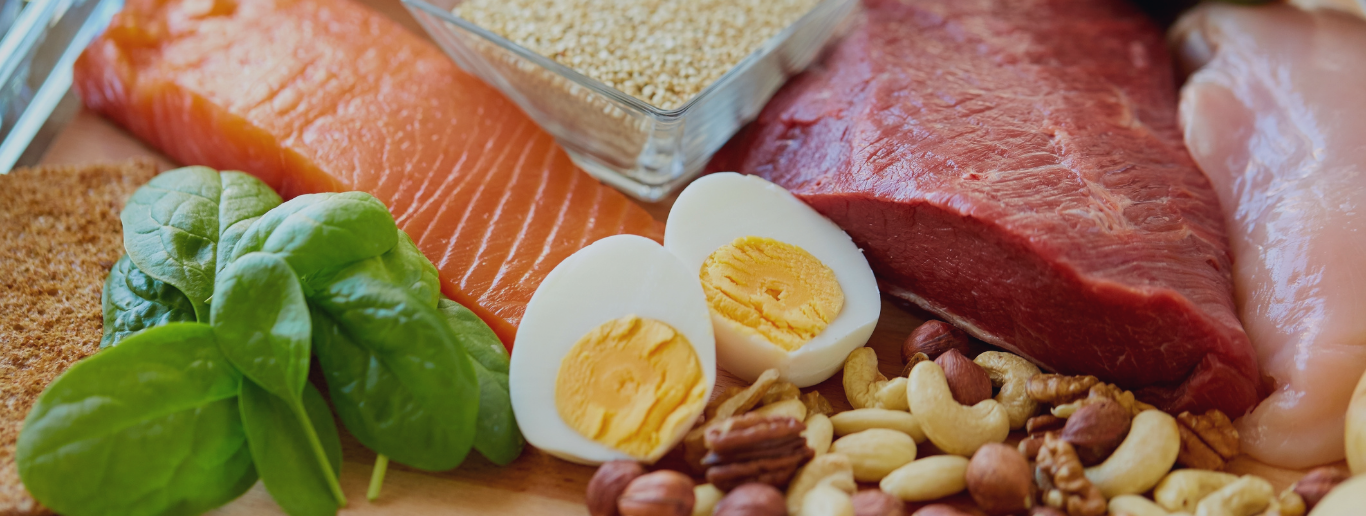
It’s much harder when you’re sick of sweet protein powders, don’t want another bar or chicken breast, simply don’t have the time to get creative or have the energy to cook.
Tenille went on a mini rant about this recently, and she wasn’t wrong. If someone with her level of knowledge, experience and love for cooking can get bored or annoyed being told to hit 150g of protein every day to ‘do it right,’ I can only imagine how overwhelming those kinds of rigid targets can feel for many of you.
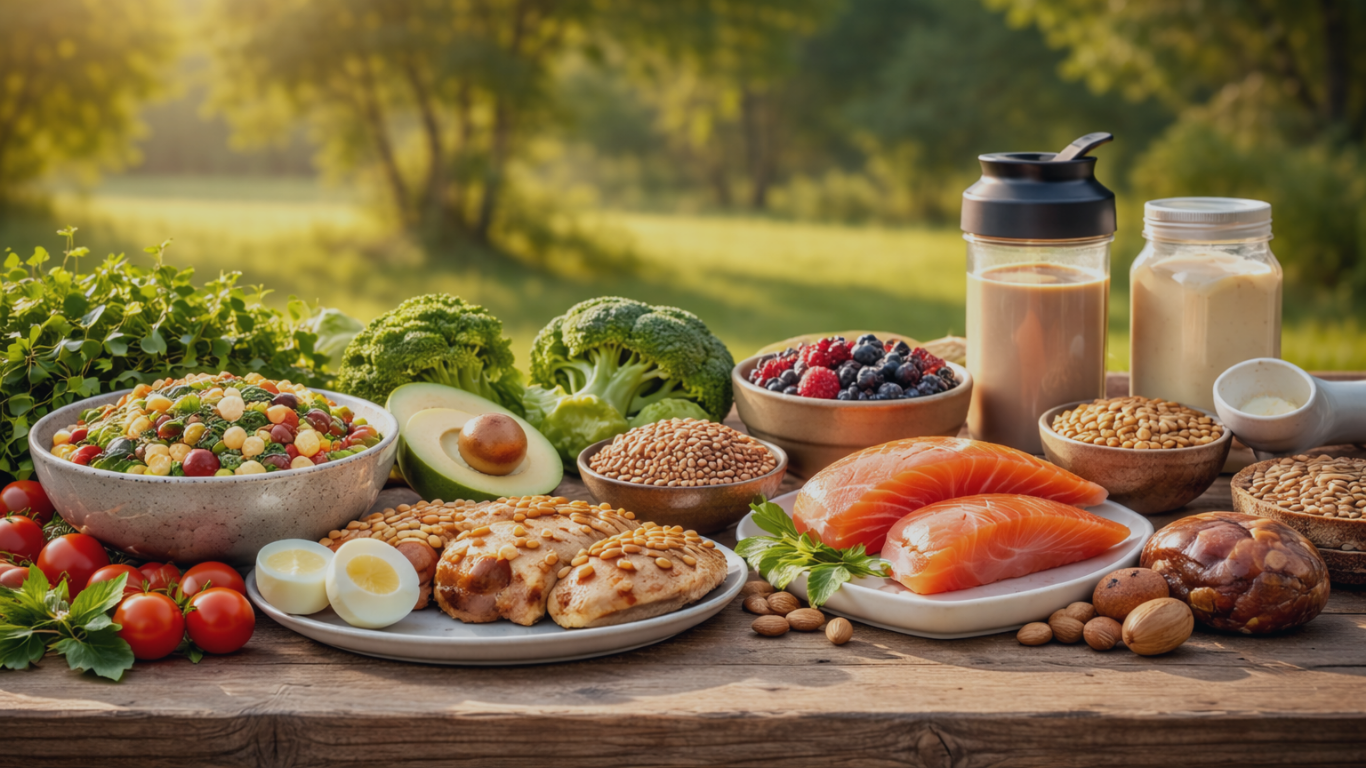
For me, most of the foods I genuinely enjoy and can eat everyday contain protein. Even my go-to breakfast of whole wheat toast and peanut butter has around 14 grams. That’s not the whole picture, but it’s a real starting point. And that’s the point.
Progress over perfection.
How do you actually feel with what you are eating now?
Do you have the energy to fulfill and pursue your work, activities and responsibilities each day?
Lately, I’ve made it easier on myself by adding small supports, like pre-made salads with protein delivered to my door. One less decision. One less barrier. More consistency.
While the research suggests aiming for around 1.6g per kilogram of protein per day, how that protein is distributed, small portions throughout the day creating a consistent ‘drip’ of amino acids, may be just as important in real life.
Like with exercise, consistency matters.
Carbohydrates tend to bring up a different set of questions.
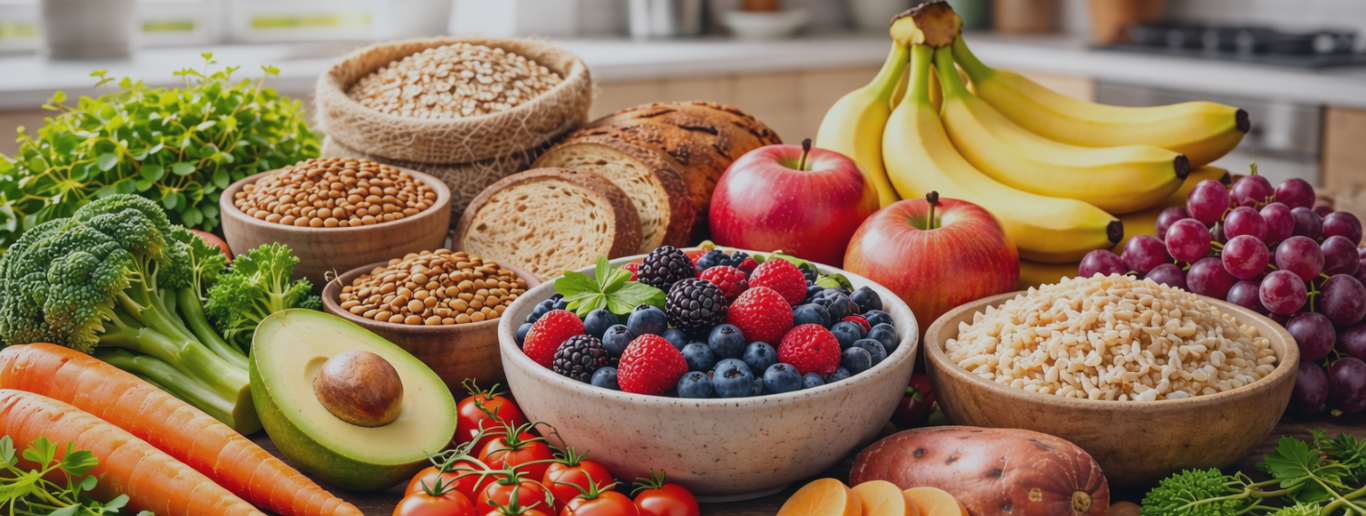
Many women don’t struggle to eat carbs. The confusion usually comes down to which ones, how much, and when.
And the honest answer is: it depends.
An ultra runner needs something very different from a beginner half marathoner. A recreational athlete may do just fine with a serving of carbs at meals, while higher-volume athletes need to fuel before, during, and after training in a more intentional way. With hormone change, no matter what level you are at or hard or long you go, the whole recipe to when and how much may need to be individualized to optimize metabolic flexibility and efficiency. And the research hasn’t fully caught up with that lived reality yet.
Tolerance matters too. What I can digest easily might not work at all for someone else.
This is where coaching, food logging and paying attention to patterns become incredibly valuable. Not to chase perfection, but to understand your body and make informed adjustments that actually stick.
That’s what this week’s post is really about.
Not more rules.
Not more noise.
But bridging the gap between knowing what to do and actually being able to do it, consistently and in real life.
Watch: Protein and Creatine for Midlife Women
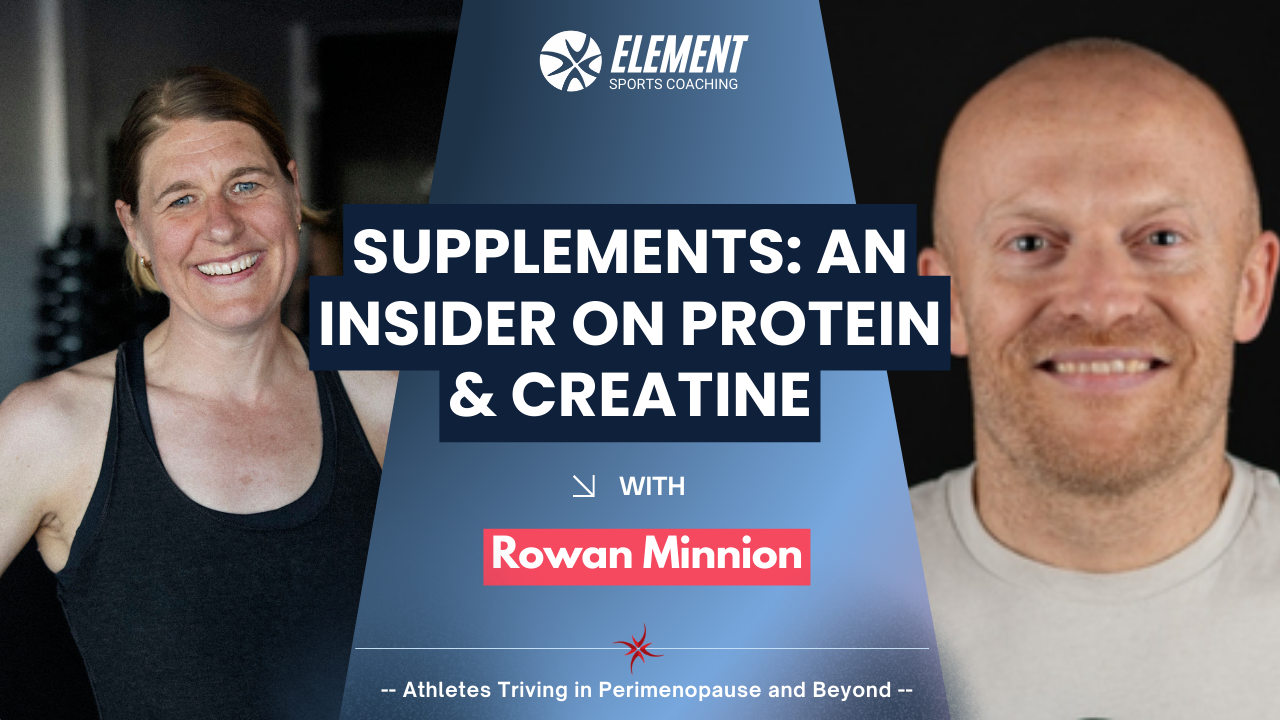
If you want to go deeper into how protein actually support performance in midlife, we recommend watching this interview with Rowan Minnion focused on real-world application, not supplement hype.
In this interview, the discussion moves beyond “what to take” and into why it works, how to choose quality products, and how protein and creatine fit into the bigger picture of training, recovery, and hormonal change in midlife women.
This is especially relevant if you are training consistently but feel like your recovery, strength, or energy are not matching the effort you are putting in.
What you will learn:
- Why protein needs increase with age, and why absorption and consistency matter more than perfection
-
How to choose protein supplements that support real nutrition, not just convenience
-
Why creatine is one of the most evidence-supported supplements for midlife women, beyond muscle alone
-
How protein and creatine support strength, recovery, brain health, and injury prevention when combined with training and sleep
Responses