

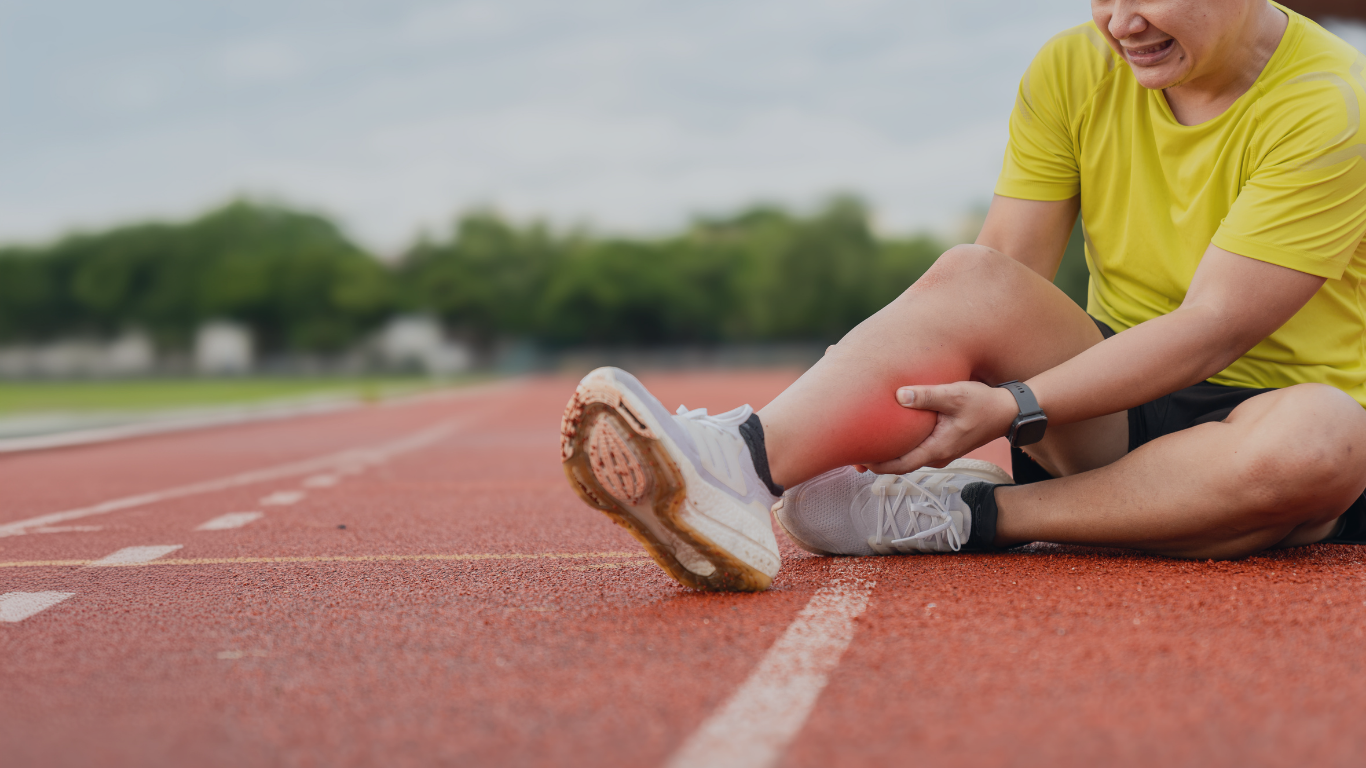
When you’re training hard, building strength, or expanding endurance, you can reach this beautiful spot where you are feeling fit and strong and yet, have that niggle that won't just go away, an achiness that sticks around or you notice that you just are not digesting food like you used to. These symptoms can be linked to chronic inflammation.
Inflammation is the body’s natural repair signal. But when it sticks around too long, when recovery can’t quite keep up with demand, that same system starts to work against you.
Midlife women feel this more than most. Changing hormones, higher stress loads, and a lifetime of pushing the agenda or less than optimal movement habits collide, and suddenly recovery isn’t as simple as sleep, stretch, and try again.
The Inflammation Loop
Inflammation is the body’s repair mechanism, but when it becomes chronic, it interferes with healing instead of supporting it.
Physiotherapist Maryke Louw explains how female physiology impacts inflammation: when estrogen levels drop, collagen breaks down faster and repairs more slowly. Muscles experience more microdamage from training, and tendons take longer to recover. The result? The same session that used to feel fine now leaves you sore for days.
Add in other triggers, poor sleep, low fueling, or gut stress, and inflammation stays “on,” even when you rest. Dr. Kirstin Lauritzen calls this the “silent load.” It’s the cumulative inflammation from training, food, and stress that never fully clears, quietly affecting recovery and tissue repair.
Nutrients play a role too. Omega-3 fatty acids (EPA/DHA) and vitamin D are powerful modulators of inflammation. In perimenopause, supporting these levels can help restore the body’s natural balance and protect joints, tendons and energy systems from low-grade, persistent stress.
Signs You’re Not Recovering
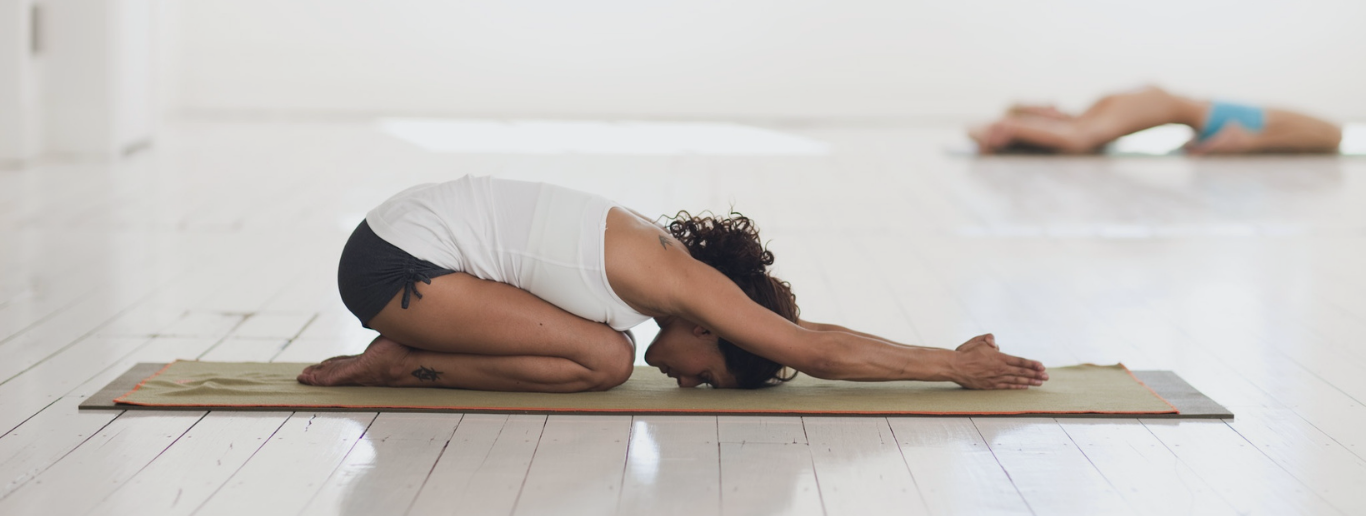
“Your body whispers before it yells.”
Irritability, bloating, brain fog, restless sleep, or that constant feeling of tightness are inflammation talking.
The stimulus–recovery–adaptation loop is simple:
Stress → Recover → Adapt.
Miss recovery and you miss the gain.
Maryke adds: the signs often start small: tight calves that never relax, a hip that aches at night, an Achilles that feels stiff in the morning but loosens with movement. When these patterns repeat, they signal that inflammation hasn’t resolved. Keep pushing, and you move from “training load” to “injury risk.”
Team Element Turns Insight Into Action
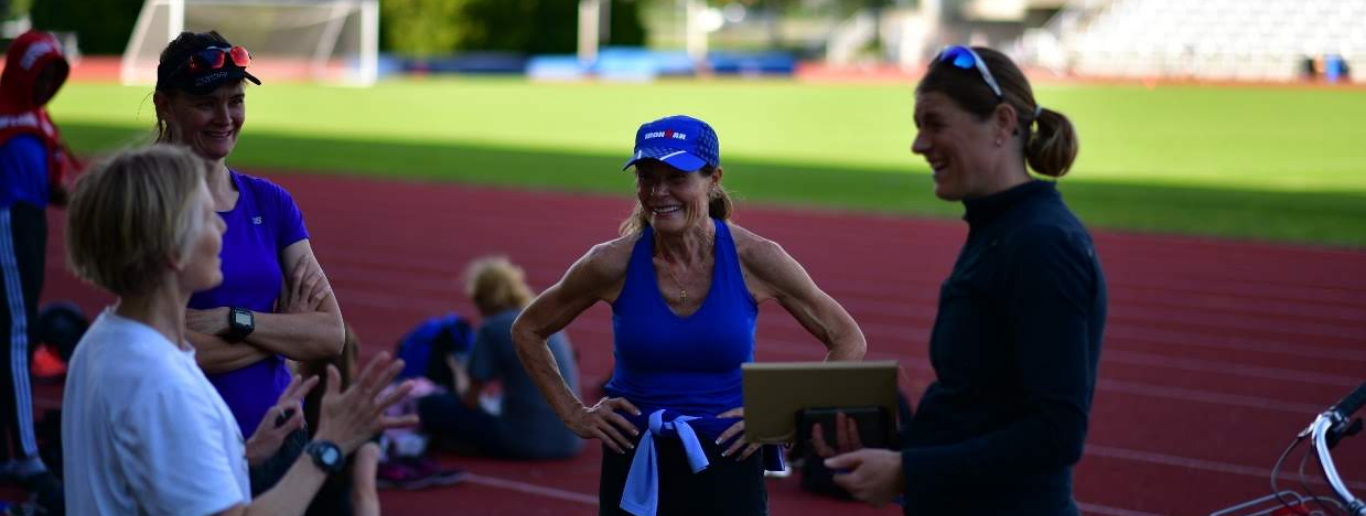
Whole‑athlete training means working with your body’s changing hormones instead of fighting them: honoring stress, gut and hormone health, smart loading, and recovery so you can keep performing for the long term. You can use the A.C.T.I.V.E. framework as a check‑in to see if inflammation is brewing or recovery feels off. You can course‑correct before niggles become injuries or fatigue turns into burnout.
The A.C.T.I.V.E. Protocol
A quick guide for women in perimenopause and beyond to stay aligned with what your body needs.
A – Awareness of Stress & Symptoms
Notice the early cues: lingering tightness, disrupted sleep or night wakings, irritability or low mood, bloating, or morning stiffness that does not ease with easy movement. Action: Do not normalize fatigue or pain. Get help from a qualified OB/GYN, Registered Dietician, Physiotherapist, and a qualified Coach to support you with your very real experiences. Do not be dismissed.
C – Connect Training to Recovery
Match training load with fuel, sleep, and real rest time—especially when life, work, or family stress ramps up.
T – Timing Matters
Fuel early around sessions, save high‑dose antioxidant supplements for later in the day so acute inflammation can do it's job. Aim to schedule key intensity training sessions when your energy, focus, and recovery capacity is at the best opportunity.
I – Intentional Nutrition for Gut + Hormones
Support gut health, sufficient protein, and key micronutrients to help lower chronic inflammatory load and support muscle, tendon, and hormone health.
V – Variability in Movement
Add progressive single‑leg strength, balance work, gentle hops or skips, direction changes, and trail‑style movement to retrain joint stiffness and build tendon resilience as hormones shift. Polarize your training.
E – Ease + Emotional Regulation
Use calming practices—unstructured walking, breathwork, time in nature, and genuine social connection—to down‑shift cortisol, calm the nervous system, and make recovery more effective.
If you want to know more about Team Element...
What We Learned from the Experts
Watch This interview now!
 |
More Voices that connect to Inflammation
- Alyssa Kuhn: Keep the Adventure Alive
Variety builds resilience. Alyssa shows how changing movement direction, using single-leg strength, and adding balance work protect joints and calm inflammation. → Watch Here - Dr. Kirstin Lauritzen: Fit and Fatigued or Fit and Healthy
How gut health, nutrition, and recovery rhythms shape your inflammatory balance and why “more training” isn’t always the answer. → Watch Here - Claire Callaghan: The connection of estrogen and injury of joints, tendons and soft tissue
Claire explains how estrogen loss changes tissue elasticity and tendon health and how strength and movement quality rebuild it. → Watch Here - Mironda Meyer: Injury-Proof Your Body as a Masters Athlete
Mironda highlights variability, proprioception, and active recovery as the key to preventing inflammation from becoming injury. → Watch Here
Responses